The Ultimate Smile Upgrade With Dental Crowns Los Angeles CA
A strong smile does more than brighten photos. It changes how a person speaks, laughs, eats, and carries themselves in a room. When a tooth is cracked, heavily filled, misshapen, or badly worn, even simple things can start to feel stressful. People cover their mouths when they laugh. They chew on one side. They avoid cold drinks. They postpone treatment because they are unsure whether the fix will actually look natural.
That is where dental crowns can make a remarkable difference. When done well, a crown restores strength, shape, and appearance in a way that can feel almost like getting your own tooth back. For patients searching for Dental Crowns Los Angeles CA, the appeal is obvious. In a city where appearance matters, function matters just as much. A crown is not only about cosmetics. It is also about preserving a tooth that might otherwise continue to break down.
The best crown cases are rarely dramatic from the outside. A patient walks in with a tooth that has become unreliable, and leaves with something that looks unremarkable in the best sense of the word. It blends in. It works. It lets them stop thinking about that tooth every day.
What a dental crown actually does
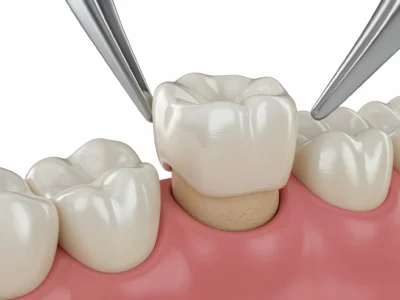
A dental crown is a custom-made covering that fits over a prepared tooth. Think of it as a protective shell designed to restore the tooth’s original contour and reinforce what remains underneath. It is commonly used when a tooth has lost too much structure for a simple filling to hold up over time.
A crown can solve several problems at once. It can protect a cracked tooth from further damage, rebuild a tooth after a root canal, replace a large failing filling, improve the look of severe discoloration, or correct a shape that throws off the smile line. In many cases, the patient first comes in thinking they need cosmetic help, but the real issue is structural. The opposite happens too. Someone assumes the problem is only functional, then realizes the aesthetic improvement is just as meaningful.
In practice, crowns are often one of the most versatile tools in restorative dentistry. Veneers are excellent for certain front-tooth cases, fillings are ideal when enough healthy tooth remains, and implants are the answer when a tooth cannot be saved. Crowns occupy the middle ground, saving compromised teeth that still have a good foundation.
Why crowns are so popular in Los Angeles
Los Angeles patients often care deeply about subtle details. They notice symmetry, color harmony, and whether dental work catches light like natural enamel. They also tend to ask smart questions, especially about materials, longevity, and whether treatment will look obvious on camera or in direct sunlight.
That attention to detail is a good thing. A crown that is technically acceptable but visually flat, too opaque, or slightly bulky can stand out in a way patients immediately notice. Front teeth are especially unforgiving. The shape near the gumline, the way the incisal edge reflects light, and even the texture on the surface all matter.
At the same time, Los Angeles is full of people with busy schedules. They want treatment that is efficient, durable, and worth the investment. That makes planning important. A good dentist will not simply ask, “Do you want a crown?” They will ask what matters most to you. Is it biting comfort? Durability for grinding? A brighter smile? A result that disappears completely into the rest of the teeth? The right crown can check all of those boxes, but only if the planning is done with care.
When a crown is the better choice than a filling
Many patients hope a filling will be enough, and sometimes it is. But once a tooth has lost too much structure, a filling becomes a short-term answer to a long-term problem. Larger fillings are more prone to leakage, fracture, and recurrent decay around the edges. If the surrounding tooth walls are thin, each bite places stress on weakened enamel.
A common real-life scenario involves a molar with an old silver filling that has been in place for years. The patient feels occasional sensitivity, then one day bites on something firm and hears a crack. At that point, the tooth may still be saveable, but patching it with another filling often means gambling against physics. A properly designed Dental Crowns Los Angeles CA crown wraps and supports the remaining tooth in a way a filling cannot.
Front teeth require different judgment. If the issue is mostly cosmetic and the tooth is otherwise healthy, a veneer may be more conservative. But if the tooth has already had a root canal, has a large filling, or is structurally compromised from trauma, a crown may be the safer and more durable choice.
Materials matter more than most people realize
Not all crowns are made the same, and material selection has a direct effect on appearance, strength, and long-term wear. For patients considering Dental Crowns Los Angeles CA, this is one of the most important parts of the conversation.
Porcelain and ceramic crowns are often chosen for visible teeth because they can mimic the translucency and brightness of natural enamel. Zirconia crowns are valued for their strength and are frequently used in high-pressure areas, especially for patients who clench or grind. Porcelain-fused-to-metal crowns still exist and can work well in some cases, though they are less popular in highly aesthetic zones because the metal substructure can affect the final look or create a dark line near the gum over time.
The ideal material depends on where the crown is going, how the patient bites, whether they grind, how much space exists between the teeth, and how critical the cosmetic outcome is. A molar crown in a heavy bruxer is a different assignment than a central incisor in someone who works on camera.
A thoughtful dentist balances these variables instead of recommending the same material for every patient. That is often the difference between a crown that simply survives and one that feels right every day.
The process, from consultation to final placement
Getting a crown usually takes two visits, though some offices offer same-day options for selected cases. The first step is diagnosis. X-rays, photographs, bite evaluation, and a close clinical exam help determine whether the tooth is healthy enough to restore and whether the nerve is involved. If decay extends too deep or a crack runs below the gumline, the treatment plan may change.
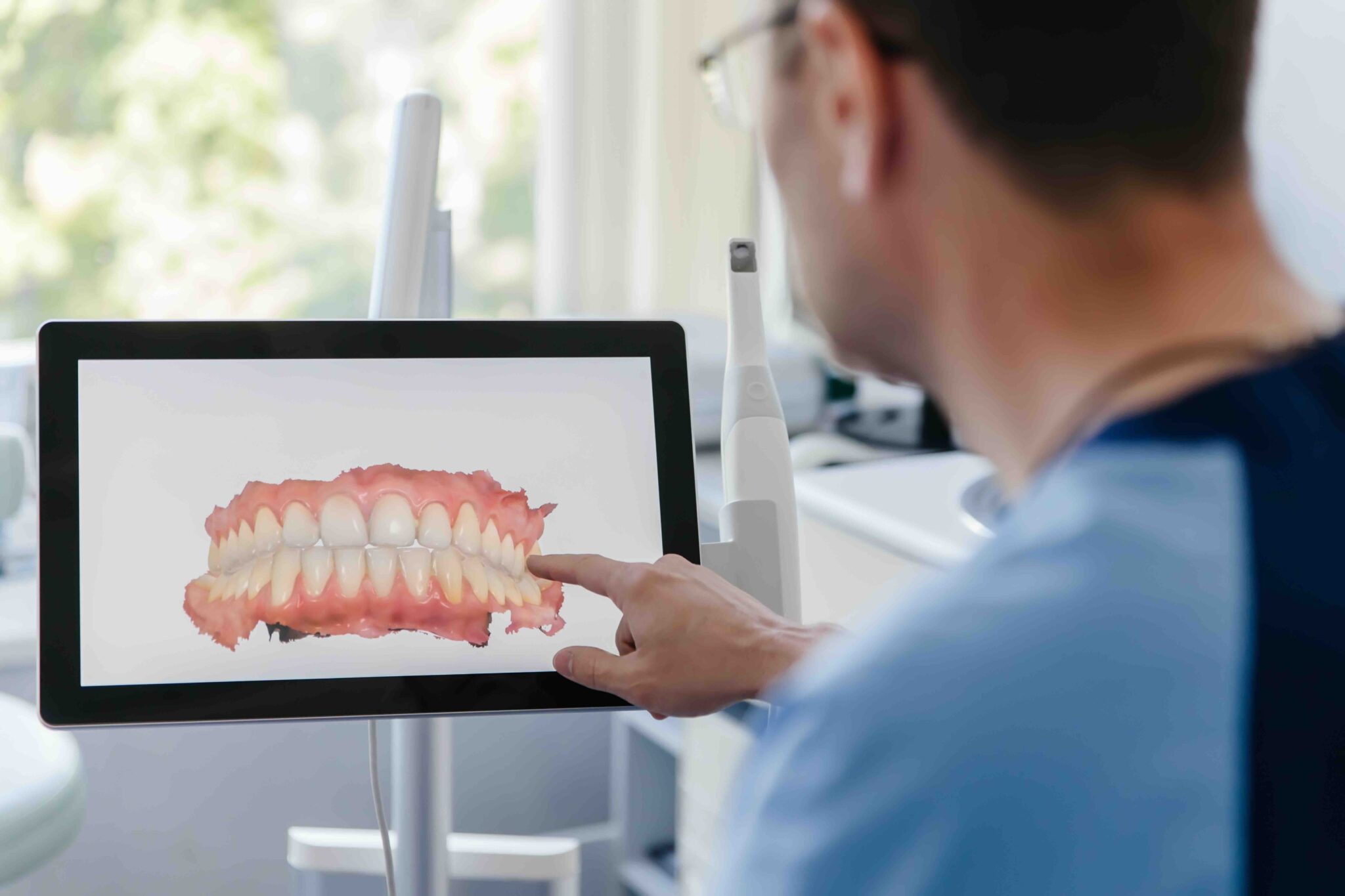
During the preparation appointment, the dentist reshapes the tooth so the crown can fit precisely over it. Impressions or digital scans are then taken to guide the lab in fabricating the final restoration. A temporary crown is usually placed while the final one is being made. That temporary matters more than many people expect. A poor temporary can irritate the gums, shift the bite, or make the final result harder to judge. A good one protects the tooth, gives the patient a preview of shape, and keeps the surrounding tissue healthy.
At the second visit, the final crown is tried in, adjusted, and bonded or cemented into place. The bite is checked carefully. This part should never feel rushed. Tiny high spots can leave a tooth feeling sore or “off” for days. Small contour refinements can make the crown look far more natural.
When patients say their crown feels like a normal tooth almost immediately, it is usually because the details were handled well at each stage.
Same-day crowns versus lab-made crowns
There is no single winner here. Same-day crowns offer convenience, which is valuable for people with full calendars, travel demands, or limited tolerance for temporary restorations. In the right case, they can be an excellent option.
Lab-made crowns still hold an advantage in certain aesthetic and complex situations. Skilled dental laboratories can layer color, translucency, and anatomy with a level of artistry that matters, especially in the front of the mouth. If a patient has unique shading, delicate incisal translucency, or asymmetries that need to be matched carefully, a high-quality lab can make a visible difference.
This is one of those areas where experience beats marketing. Faster is not always better. Better is better. If a same-day crown suits the tooth and the patient’s expectations, great. If the case requires deeper characterization and more nuanced esthetics, waiting for a custom lab result is often worth it.
What makes a crown look natural
Patients often assume shade is the whole story. Shade matters, but natural-looking crowns depend on much more than color. Shape, proportion, texture, and light reflection all influence whether a crown blends into the smile or announces itself.
A crown that is too round can look artificial. So can one that is too flat, too bright, or too smooth compared with neighboring teeth. Even the position of the contact point with adjacent teeth affects the visual result. Gum health matters too. Inflamed or receding tissue can make a beautiful crown look disappointing.
One of the most satisfying moments in practice is handing a mirror to a patient who was afraid their new front tooth would look fake, only to watch them search for where the crown begins and ends. That reaction usually comes from careful planning, strong communication with the lab, and attention to the surrounding teeth rather than the treated tooth alone.
The bite has to work, not just the smile
A crown can be gorgeous and still fail the patient if the bite is wrong. This is especially true in Los Angeles, where stress-related clenching is common. People may not even realize they grind their teeth until restorations start chipping or jaw soreness becomes routine.
The functional side of crown design includes how the tooth contacts opposing teeth, how it moves during chewing, and how pressure is distributed across the restoration. If the crown hits too hard or too early, the tooth may feel tender, the bite may feel uneven, and the porcelain may be placed under unnecessary strain.
For back teeth, durability under load matters enormously. For front teeth, guidance during side-to-side movements can be just as important. That is why a proper bite analysis is not a luxury. It is part of making a crown last.
Patients who grind often benefit from a custom night guard after treatment. It protects both the new crown and the natural teeth around it. That extra step can add years to the life of the restoration.
Who is a good candidate for a crown
Crowns work well for many patients, but they are not automatic. The tooth needs enough healthy structure to support the restoration, and the surrounding gum and bone should be stable.
A crown is often a strong option for people with:
- a cracked or weakened tooth
- a large existing filling that is failing
- a tooth that has had root canal treatment
- significant wear from grinding or acid erosion
- a misshapen or discolored tooth that needs full coverage
Even then, judgment matters. If a tooth is fractured too deeply, has severe decay below the gumline, or lacks adequate support, the better choice may be extraction and replacement. Saving a tooth is usually preferable, but only when it can be done predictably.
Cost, value, and what patients should really ask
Crowns are an investment, and price can vary depending on the material used, whether a specialist is involved, the complexity of the case, and the quality of the laboratory. In Los Angeles, fees can range widely. A lower fee does not always mean poor care, and a higher fee does not automatically guarantee excellence. Patients are best served by understanding what they are paying for.
Good questions include whether the crown material suits the location of the tooth, whether the office works with a trusted lab, how the bite will be checked, and what happens if adjustments are needed after placement. It is also smart to ask about the condition of the tooth underneath. A crown placed on a tooth with unresolved structural or gum issues is not a bargain at any price.
From a value standpoint, a well-made crown that lasts many years often costs less over time than repeated repairs to a tooth that should have been crowned earlier. Delaying treatment can turn a manageable restoration into a root canal, a fracture, or the loss of the tooth altogether.
How long crowns last in real life
Most crowns are not lifetime restorations, but many can serve patients well for a decade or longer. Some last much longer. Longevity depends on oral hygiene, bite forces, material choice, gum health, and how much natural tooth remains underneath.
The main reasons crowns fail are not usually dramatic defects in the crown itself. More often, the problem is decay at the margin, cement washout, fracture from grinding, or issues in the supporting tooth such as root fracture. In other words, the crown is only part of the system. The tooth, gums, and bite all matter.
Patients are sometimes surprised to learn that the tooth under a crown can still get cavities. It absolutely can, especially if plaque accumulates at the gumline or flossing is inconsistent. A crown is protection, not immunity.
Caring for a new crown
Maintenance is straightforward, but consistency matters. Brush well, floss carefully around the margin, keep routine dental visits, and avoid using teeth as tools. If you chew ice, open packages with your teeth, or clench through stress without a guard, you raise the risk of complications.
The first few days after crown placement can involve mild sensitivity or awareness as the bite settles in, but persistent discomfort deserves a follow-up. Waiting too long to adjust a high bite can turn a simple fix into lingering irritation.
Patients tend to do best when they treat the crowned tooth as a restored part of their natural dentition, not as an indestructible replacement. Respect it, maintain it, and it usually rewards that effort.
Aesthetic upgrades that often pair well with crowns
Sometimes a single crown is all a patient needs. Other times, one crown reveals broader cosmetic concerns. A newly restored front tooth can make neighboring teeth look more yellow, uneven, or worn. That does not mean a full smile makeover is required, but it does mean planning should be holistic.
Teeth whitening is a common adjunct when patients want the crown matched to a brighter future shade rather than their current one. Minor recontouring on neighboring teeth can improve symmetry. In certain cases, a crown becomes the anchor point for a more refined smile design without the patient ever pursuing extensive cosmetic dentistry.
This is where restraint matters. The best cosmetic dentistry does not over-treat. It solves the actual problem, supports the patient’s goals, and preserves as much healthy structure as possible.
Red flags patients should not ignore
If a dentist recommends a crown without explaining why a filling or veneer would not work, ask more questions. If the office cannot clearly discuss material options, bite considerations, or what the temporary phase will involve, that is worth noting. Crowns are common, but they are not trivial.
Another red flag is a one-size-fits-all approach to aesthetics. Front teeth are personal. Some patients want a very bright, polished result. Others want subtle character and realism. The right provider listens for those preferences instead of imposing a generic look.
Here are a few signs that the planning is being handled properly:
- the reason for the crown is explained in plain language
- photos or scans are used to evaluate shape and bite
- material choices are discussed based on your specific tooth
- the temporary crown is treated as an important step, not an afterthought
- follow-up adjustments are welcomed if the bite feels off
These details may sound small, but they tend to separate Dental Crowns Los Angeles CA rushed treatment from work that truly holds up.
The real upgrade is confidence with function
The phrase “smile upgrade” can sound purely cosmetic, but patients who have lived with a damaged tooth know the real change goes deeper. They stop protecting one side of the mouth when they chew. They stop worrying that something will crack during dinner. They smile without scanning mirrors for that one dark, broken, or misshapen tooth.
That blend of confidence and function is what makes crowns so valuable. A successful crown does not just repair enamel and porcelain. It restores ease. It gives the patient back a sense of normalcy, sometimes after months or years of adapting around a compromised tooth.
For anyone considering Dental Crowns Los Angeles CA, the smartest next step is not simply finding the fastest appointment or the lowest advertised fee. It is finding a dentist who can evaluate the tooth thoroughly, explain the trade-offs honestly, and deliver a result that works in your mouth and looks right in your smile.
When those pieces come together, a crown is not just a repair. It is one of the most practical and transformative upgrades modern dentistry can offer.
Simple Dental Vermont
Address: 8914 S Vermont Ave, Los Angeles, CA 90044
Phone number: +13239493000
FAQ About Dental Crowns Los Angeles CA
How much do crowns cost per tooth?
In the United States, a single dental crown typically costs between $800 and $2,500 per tooth without insurance. The ultimate out-of-pocket price depends heavily on the crown material, the location of the tooth, and whether you have dental insurance coverage.
What is the downside of crowns on teeth?
The primary downside of a dental crown is that the procedure permanently removes natural tooth enamel to shape the tooth for the cap.
Why do dentists push for crowns?
Dentists recommend crowns because a large filling cannot provide enough strength when a tooth loses a major portion of its structure or faces heavy chewing pressure.