How Much Do Dental Crowns in Los Angeles CA Cost?
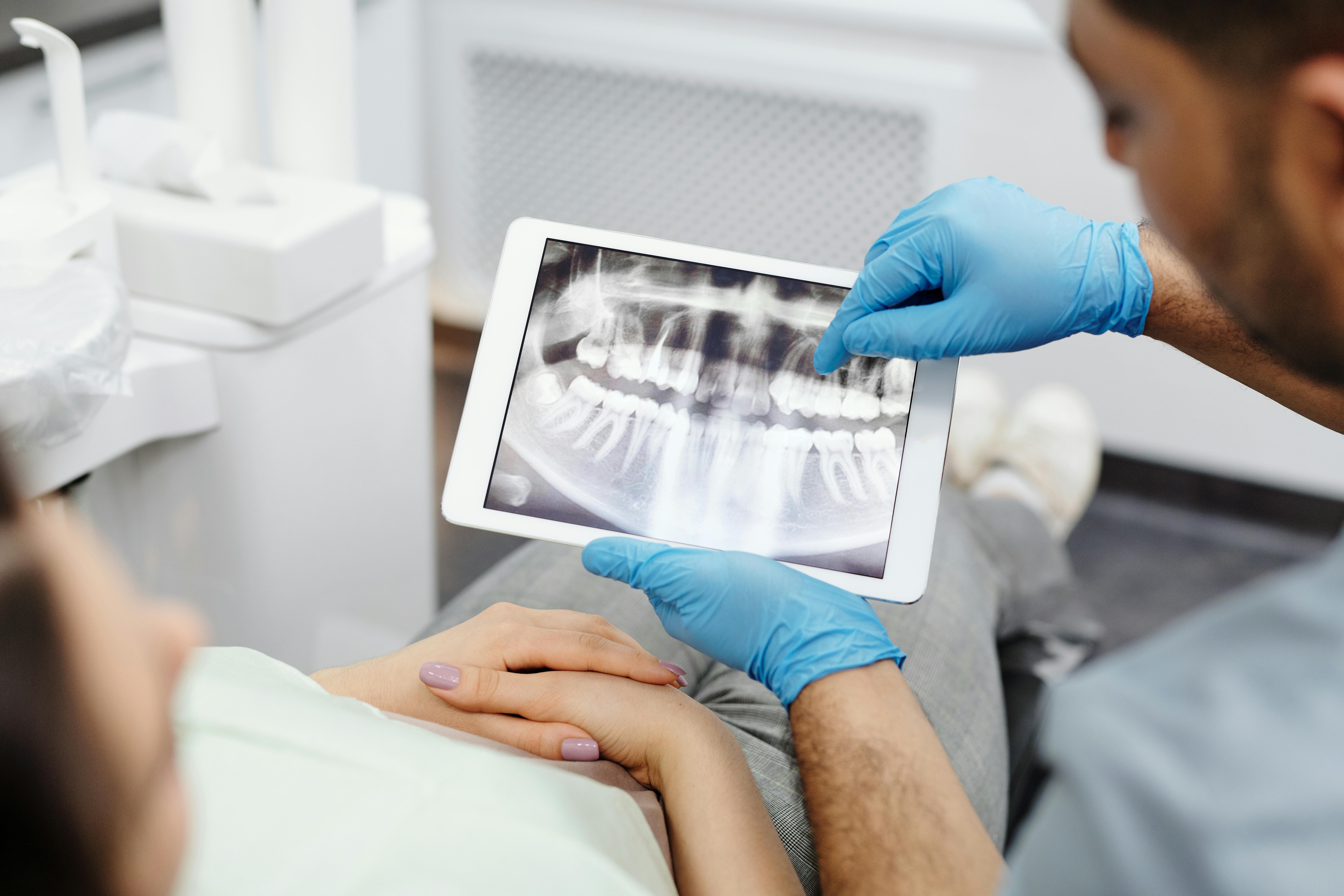
If you have been told you need a crown, the first question is usually not about porcelain chemistry or bite forces. It is, quite reasonably, “What is this going to cost me?” In Los Angeles, that question does not have a single clean answer. Fees can vary by several hundred dollars, sometimes more, depending on the tooth, the material, the dentist’s experience, the location of the office, whether insurance is involved, and whether the crown is the only treatment you need.
For most patients, the price of a dental crown in Los Angeles falls somewhere between about $1,200 and $2,500 per tooth. Some offices may advertise prices lower than that, especially for basic materials or new-patient promotions. High-end cosmetic cases, complex molar restorations, and specialist-driven treatment can push the cost above that range. If a root canal, buildup, gum treatment, or replacement of an old failing crown is part of the picture, the total can climb quickly.
That broad range is frustrating, but it reflects reality. “Dental Crowns Los Angeles CA” is not one market with one fee. It is dozens of micro-markets spread across neighborhoods, practice models, and levels of complexity.
Why crown prices vary so much in Los Angeles
A crown is not a commodity in the same way a box of aligner wax or a tube of toothpaste is. Two crowns may look similar on a treatment plan, yet require very different amounts of work behind the scenes.
A front tooth crown, for example, often demands more artistic precision than a back molar crown. Shade matching, translucency, contour, and the way the crown catches light all matter when someone is smiling and speaking in bright Southern California sunlight. A posterior crown, by contrast, may be less visible but takes heavier chewing forces and needs to be shaped to fit a complex bite. Both situations require skill, but they are not interchangeable.
Geography matters too. An office in Beverly Hills, Santa Monica, or parts of West Los Angeles may have overhead that looks very different from a practice in the San Fernando Valley, East LA, or some parts of the South Bay. Rent, staffing, lab relationships, and technology costs all influence fees. The dentist is not just charging for the crown itself. You are also paying for diagnosis, tooth preparation, local anesthesia, imaging, temporization, adjustments, infection control, and the judgment that goes into doing the case well.
Lab work is another major variable. A carefully made crown from a respected dental lab in California, where a ceramist is custom layering porcelain to match neighboring teeth, will generally cost more than a more standardized crown produced through a high-volume workflow. That does not automatically mean expensive is always better. It does mean that the fee often reflects differences in materials, esthetics, customization, and quality control.
A realistic cost range for common crown types
Not every office breaks down fees by material in a way patients can easily compare, but these ranges are fairly typical in Los Angeles. They can shift up or down depending on the practice and the exact case.
| Crown type | Typical Los Angeles range | Where it is often used | | --- | --- | --- | | Porcelain-fused-to-metal | $1,200 to $1,800 | Back teeth, some long-standing functional cases | | All-ceramic or porcelain | $1,300 to $2,200 | Front teeth and visible areas | | Zirconia | $1,400 to $2,500 | Molars and high-strength cases, also some cosmetic cases | | Gold or high noble metal | $1,500 to $2,500+ | Selected back teeth, heavy bite situations |
Those ranges are not promises, and they do not include every associated procedure. They are simply useful benchmarks.
Porcelain-fused-to-metal crowns used to be the standard recommendation for many teeth, and they are still appropriate in certain situations. They tend to be durable, though the metal base can sometimes create a darker look near the gumline over time. All-ceramic and porcelain crowns are often chosen for visible teeth because they can look more lifelike. Zirconia has become increasingly common because it balances strength with improved esthetics, especially for back teeth. Gold remains a very solid clinical choice in some molars, even if many patients prefer tooth-colored options for obvious cosmetic reasons.
What is included in the fee, and what usually is not
One of the most common misunderstandings around crown pricing is assuming the quoted fee covers everything from start to finish. Sometimes it does. Often it does not.
A straightforward crown fee usually includes the examination related to that tooth, tooth preparation, impressions or digital scanning, the temporary crown, laboratory fabrication, placement of the final crown, and a basic follow-up adjustment if needed shortly after cementation. Some offices bundle X-rays into the visit, while others list them separately. Some include the core buildup only if the tooth requires minimal reinforcement, while others bill any buildup separately.
That distinction matters because a tooth that has lost a large old filling, has decay under the surface, or has become brittle after previous treatment often needs more than a crown alone.
Here are the add-on costs patients in Los Angeles most often run into:
- Core buildup: often about $200 to $500.
- Root canal treatment: often about $800 to $2,000 or more, depending on the tooth and provider.
- Post placement: often about $150 to $400 when extra support is needed.
- Crown lengthening or gum contouring: often several hundred to more than $1,000.
- Replacement of an old crown with decay cleanup or complex removal: may increase chair time and overall cost.
A patient might call an office after seeing a $1,299 crown special and reasonably expect that to be the total. Then the exam shows the tooth has an old fracture line, recurrent decay near the gumline, and a nerve that has already started to fail. At that point, the final bill may look nothing like the advertisement, not because anyone is necessarily being dishonest, but because the initial marketing number was only part of the story.
Insurance changes the math, but rarely covers everything
Dental insurance can help with crown costs, though few patients in Los Angeles find that it makes the treatment “cheap.” Most plans classify crowns as major restorative work. A common structure is 50 percent coverage after deductible, but only up to the plan’s annual maximum. In real terms, that often means your insurer may cover a portion of the fee, then stop once you hit a cap that might be only $1,000 to $2,000 for the year.
That annual maximum is where many people get surprised. A crown might cost $1,600, and the plan may say it covers 50 percent. But if you have already used part of your benefits for cleanings, X-rays, fillings, or a periodontal visit, there may be far less left than expected.
Insurance companies also apply restrictions. They may cover a crown only when a tooth is broken down beyond a certain threshold. They may downgrade an all-ceramic crown to a metal-based reimbursement level. They may limit replacement if your previous crown is considered too recent, often within five to seven years depending on the plan. They may also deny a claim if they decide a large filling, rather than a crown, should have been attempted first.
This is why the best financial question to ask an office is not “Do you take my insurance?” It is “Can you show me my estimated patient portion and explain what assumptions that estimate is based on?” A good front desk or treatment coordinator should be able to walk you through that clearly, while also telling you that it remains an estimate until the claim is processed.
Same-day crowns versus lab-made crowns
Los Angeles has many practices that offer same-day crowns with in-office scanning and milling. For the right case, this can be convenient. You avoid a second visit, skip the temporary in some cases, and move on with life faster. Patients with packed work schedules appreciate that.
Price-wise, same-day crowns are not always cheaper. Sometimes they cost about the same as a traditional lab-made crown. Sometimes they cost a bit more because the office has invested heavily in equipment, software, maintenance, and training. The value question is less about whether the crown is made the same day and more about whether the system suits your tooth.
A premolar with a straightforward bite and enough healthy structure may be an excellent same-day candidate. A front tooth requiring nuanced esthetics, or a heavily worn bite that needs careful adjustment over time, may benefit from a custom lab process. Neither approach is universally superior. The right choice depends on the case.
Why a crown on one tooth can cost more than a crown on another
Patients often ask why the office quoted one amount for a molar and another for a front tooth. From the outside, it can feel arbitrary. Clinically, it often is not.
A lower molar is hard to access, sits in a wet environment, and may already have deep decay extending near the nerve. Isolation can be tricky, especially if the patient has limited opening or a strong gag reflex. A front tooth may be easier to reach but harder to make beautiful. If the neighboring teeth have subtle color variations, translucency at the edge, or old dental work that needs to be blended around, the esthetic demands rise.
There is also the question of bite. Someone who clenches at night, has a history of chipping teeth, or shows signs of grinding may need a stronger material and more protective planning. I have seen cases where the crown itself was not the hard part, the hard part was designing it so it would survive in a very destructive bite. That kind of judgment does not show up on a simple fee menu.
When the least expensive crown is not the best value
Everyone has a budget. There is Dental Crowns Los Angeles CA nothing wrong with price shopping, especially in a city as expensive as Los Angeles. But a crown is one of those treatments where the lowest number can become the highest long-term cost if the fit, margins, bite, or diagnosis are off.
A crown that traps food because the contact is poor, irritates the gum because the margin is rough, or fractures because the material choice was not appropriate can lead to replacement costs, additional drilling, and loss of more tooth structure. A tooth only has so many restorative cycles available before options get narrower and more expensive.
That does not mean patients should assume the most expensive office automatically delivers the best care. Luxury waiting rooms and valet parking do not guarantee meticulous dentistry. What you want is a fair fee tied to strong diagnosis, careful execution, and transparent communication.
Questions worth asking before you agree to treatment
A brief, direct conversation can tell you a lot about whether you are looking at a thoughtful treatment recommendation or a rushed sales process.
You do not need to interrogate the dentist, but you should feel comfortable asking a few basics:
- What type of crown are you recommending for this tooth, and why?
- Does this fee include the temporary, lab work, and any follow-up adjustment?
- Is there decay, a crack, or nerve involvement that could change the total cost?
- If I use insurance, what do you estimate I will owe out of pocket?
- How long do you expect this crown to last in my situation?
The answers matter less as isolated words and more as a pattern. Clear, confident explanations usually indicate a practice that has done this many times and knows where cases can go sideways.
Typical out-of-pocket scenarios in Los Angeles
A few examples help make the numbers more concrete.
A healthy adult with decent PPO insurance needs a crown on an upper premolar after an old filling cracks. The office fee is $1,550, and the plan pays roughly half after deductible. The patient ends up paying around $700 to $900 out of pocket. That is a common scenario.
A second patient needs a zirconia crown on a lower molar, but the tooth also requires a buildup because much of the original structure is gone. The crown fee is $1,850, the buildup adds $300, and insurance contributes only part of the total because the annual maximum is nearly exhausted. Out-of-pocket cost may land around $1,100 to $1,600.
A third patient comes in with a broken tooth that turns out to need a root canal, post, buildup, and crown. Even with insurance, the combined cost may reach several thousand dollars. This is where patients understandably feel blindsided, especially if they came in expecting “just a crown.”
Cosmetic concerns can affect price
In Los Angeles, cosmetic expectations are often high. That is not vanity, it is just part of living in a place where people are photographed often, work in image-conscious fields, or simply care how their smile looks. A crown on a front tooth, especially one of the upper front six, can become part restorative procedure and part cosmetic case.
Matching one front crown to natural adjacent teeth is one of the harder jobs in dentistry. If a patient has bright whitened teeth, uneven translucency, old bonding, or subtle asymmetries, the ceramist and dentist may need custom shading, photographs, and possibly a try-in before final glazing. That extra work often carries a higher fee. It can be money well spent if the alternative is a crown that technically functions but looks flat, opaque, or obvious.
How long crowns last, and why that matters financially
When people evaluate crown cost, they often focus only on the immediate bill. A more useful question is cost over time. A well-made crown on a tooth with a solid foundation can last 10 to 15 years or longer. Some last far beyond that. Others fail much sooner because of decay at the margin, fracture, gum recession, poor bite forces, or problems with the underlying tooth.
Paying a little more for careful execution can be rational if it lowers the odds of replacement in five years. At the same time, even excellent crowns are not lifetime guarantees. Patients who grind, skip hygiene visits, clench through stress, or have dry mouth from medications face different risks than patients with stable oral health and low bite forces.
If your dentist recommends a night guard after placing the crown, that is not just an upsell by default. In many heavy grinders, the guard materially improves the odds that the crown and the opposing teeth stay intact.
Is it worth going outside Los Angeles for a cheaper crown?
Some patients compare prices in Los Angeles with offices in nearby suburbs or neighboring counties. That can make sense. Fees in areas with lower overhead may be more favorable. If the office has a strong reputation and the logistics are manageable, there is nothing inherently wrong with leaving the city for treatment.
The practical issue is follow-up. Crowns occasionally need bite adjustments after the numbness wears off and normal chewing resumes. A temporary can come loose. A cemented crown may feel slightly high or catch floss in a way that needs refinement. Saving a few hundred dollars loses some appeal if every small adjustment requires fighting traffic for two hours.
Distance is not a deal-breaker, but it should be part of the value calculation.
What most patients should budget for
If you are trying to plan conservatively, a reasonable working budget for a single crown in Los Angeles is about $1,500 to $2,000 without insurance, knowing the number could be lower for a very simple case or higher if complexity enters the picture. If there is any chance the tooth has deep decay, fracture, prior root canal issues, or major structural loss, it is smart to budget for more.
That is not a pleasant number, especially for households already balancing rent, childcare, and other healthcare costs. But delaying a clearly needed crown can turn a manageable restoration into a root canal, extraction, implant, or bridge situation, and those alternatives are usually far more expensive.
The best next step is not to chase the cheapest ad. It is to get a proper exam, ask what is included, understand the material being recommended, and make sure the fee you are comparing reflects the same level of treatment. In a city as broad and varied as Los Angeles, that clarity matters more than any single headline price.
Simple Dental Vermont
Address: 8914 S Vermont Ave, Los Angeles, CA 90044
Phone number: +13239493000
FAQ About Dental Crowns Los Angeles CA
How much do crowns cost per tooth?
In the United States, a single dental crown typically costs between $800 and $2,500 per tooth without insurance. The ultimate out-of-pocket price depends heavily on the crown material, the location of the tooth, and whether you have dental insurance coverage.
What is the downside of crowns on teeth?
The primary downside of a dental crown is that the procedure permanently removes natural tooth enamel to shape the tooth for the cap.
Why do dentists push for crowns?
Dentists recommend crowns because a large filling cannot provide enough strength when a tooth loses a major portion of its structure or faces heavy chewing pressure.