How Dental Crowns Los Angeles CA Can Restore Your Teeth
A damaged tooth rarely fails all at once. More often, it breaks down in stages. A large filling starts to leak. A crack forms after years of grinding. A root canal leaves a back tooth hollowed out and weaker than it looks from the outside. Patients often come in saying the same thing: “It didn’t hurt much until I bit on something hard.” That is usually the moment a tooth that has been compromised for years finally asks for reinforcement.
That is where crowns earn their reputation. A well-made dental crown does not just cover a tooth for cosmetic reasons. It restores structure, protects weakened enamel, helps you chew comfortably, and often extends the life of a tooth that might otherwise be lost. For many people searching for Dental Crowns Los Angeles CA, the real question is not whether crowns work. It is whether a crown is the right solution for their specific tooth, their budget, and their long-term oral health.
The answer depends on more than a quick glance in the mirror. Crowns are one of the most useful restorations in modern dentistry, but they work best when they are planned with care and placed for the right reasons.
What a dental crown actually does
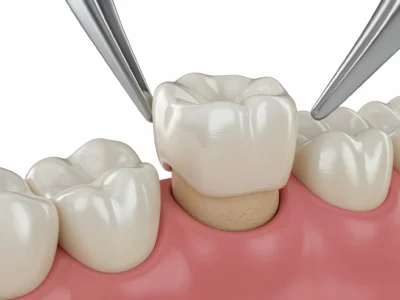
A crown is a custom-made cap that fits over a prepared tooth. Once bonded or cemented into place, it becomes the tooth’s new outer surface. That sounds simple, but the clinical purpose is more important than the basic description.
When a tooth has lost too much natural structure, a filling may not be enough to hold it together. Fillings replace missing areas, but they do not always protect the remaining tooth walls from flexing or fracturing under pressure. A crown wraps the tooth and redistributes biting force more evenly. On molars, which can absorb significant pressure every day, this matters a great deal.
In practice, crowns are commonly used after root canal treatment, on teeth with very large cavities, on fractured teeth, and on teeth with extensive wear. They are also used to improve shape, color, or alignment when a more conservative option will not hold up. If a patient has an old silver filling that now covers half or more of a tooth, and the surrounding enamel is beginning to crack, a crown is often the stronger and more predictable choice.
Patients sometimes assume a crown means a tooth is “bad.” That is not necessarily true. In many cases, placing a crown is exactly how a dentist helps preserve a tooth that still has healthy roots and supporting bone.
Why crowns are so common in restorative dentistry
Dentistry is often a balancing act between preserving natural tooth structure and giving a damaged tooth enough support to survive. Crowns become important when the balance tips too far toward fragility.
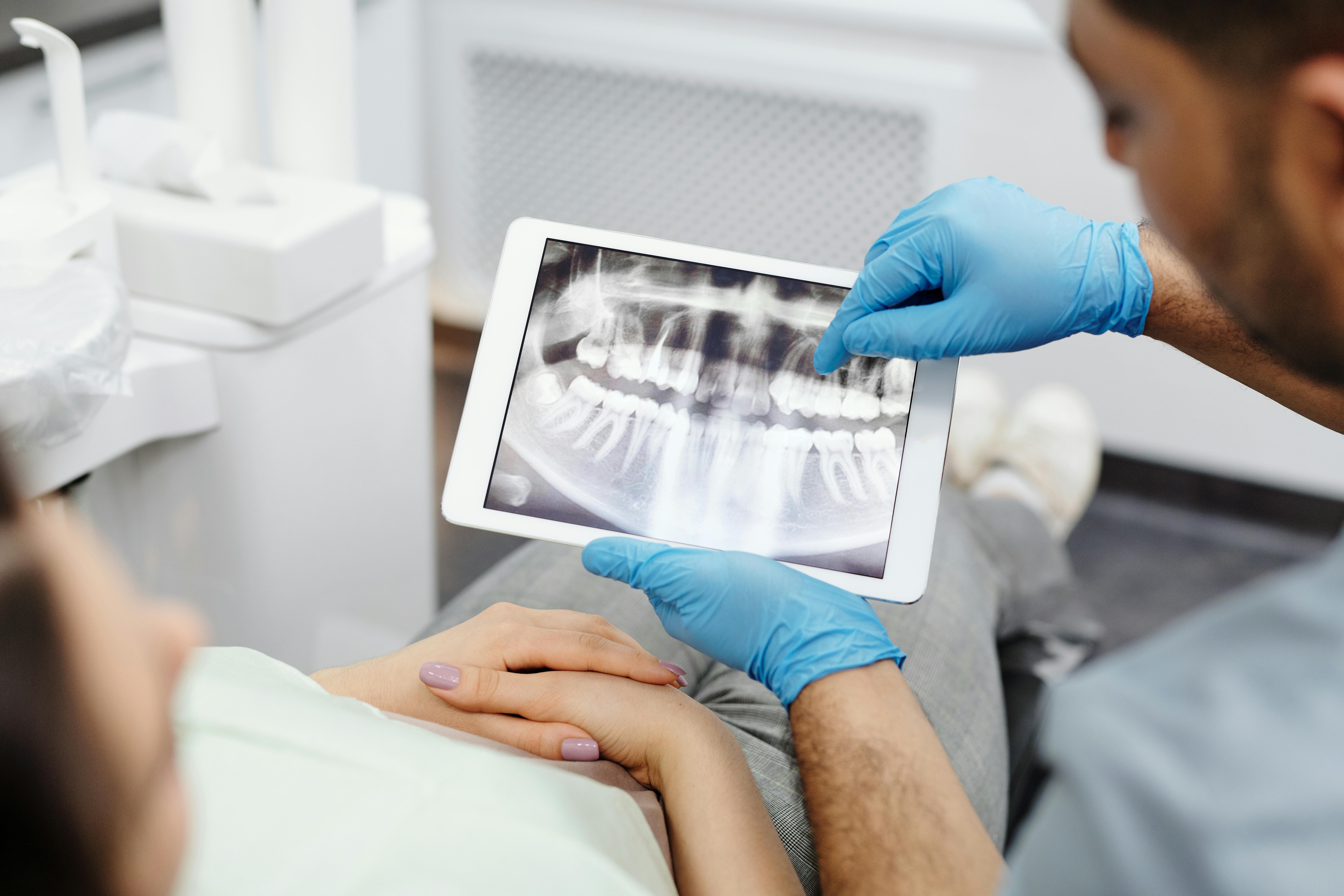
Think of a lower molar that has had two or three fillings over the years. On an X-ray, the roots may look excellent. The gum support may be stable. Yet the visible part of the tooth has become a patchwork of restorative material and thin remaining enamel. Every meal places stress on that weak shell. A crown can turn an unreliable tooth into a functional one again.
That is especially relevant in a city like Los Angeles, where patients often delay treatment because their schedules are crowded, they are managing cosmetic concerns at the same time, or they simply want to avoid a major dental decision until symptoms force the issue. Unfortunately, waiting can narrow the treatment options. A tooth that might have been restored with a crown six months earlier can fracture below the gumline later, making extraction much more likely.
When people search for Dental Crowns Los Angeles CA, they are often trying to solve one of two problems. The first is pain or functional trouble, such as sensitivity when chewing, food trapping, or a broken cusp. The second is appearance, especially in visible teeth that are discolored, misshapen, or heavily restored. Crowns can address both, but the planning is different depending on the goal.
Signs a crown may be the right choice
No dentist should recommend a crown casually. It requires reshaping the tooth, taking precise records, and investing in a restoration that should last for many years. Still, there are clear situations where crowns make sense.
A tooth may be a good candidate for a crown if it has:
- A fracture or crack that threatens the structure of the tooth
- A very large filling with too little healthy tooth left around it
- Significant wear from grinding or acid erosion
- A root canal that has left the tooth brittle or hollow
- Cosmetic problems that cannot be corrected predictably with bonding or veneers
Even then, judgment matters. A front tooth with a small chip may do well with bonding instead of a crown. A back tooth with a narrow crack but minimal decay might Dental Crowns Los Angeles CA be treated with an onlay in some offices. The right recommendation depends on the location of the tooth, the patient’s bite, their oral hygiene, and how much healthy structure remains.
One of the more complicated cases involves cracked teeth. Not every crack needs a crown, and not every cracked tooth can be saved. If the crack is confined to the crown portion of the tooth, a crown often helps by holding the tooth together and limiting the spread of forces during chewing. If the crack extends deep into the root, the outlook changes dramatically. This is one reason a careful evaluation matters more than any generic promise about restoration.
The materials matter, and so does where the tooth is located
Patients are often surprised to learn that not all crowns are made from the same material. The best choice depends on function, appearance, bite forces, and how much room exists between the upper and lower teeth.
Porcelain or ceramic crowns are popular because they can look very natural, especially on front teeth. Modern ceramics can mimic the way enamel reflects light, which helps them blend in better than older restorations. Zirconia crowns are known for strength and are often used in back teeth or for patients who grind heavily. Porcelain-fused-to-metal crowns have been around for decades and can still perform well, though some patients prefer metal-free options for esthetic reasons.
There is no universal “best” crown. A very translucent front crown might look beautiful but may not be ideal for a patient with severe clenching. A strong zirconia crown can be excellent for durability, but in the wrong setting it may require careful polishing and bite adjustment to protect the opposing teeth. Real treatment planning is about trade-offs, not slogans.
In Los Angeles practices, esthetic expectations are often high, especially for teeth visible when speaking or smiling. That does not mean every patient needs the most expensive material. It does mean shade matching, contour, and lab communication become more important. A crown that is mechanically sound but too opaque or too bulky can leave a patient dissatisfied even if it technically “works.”
What the process usually looks like
Most crowns are completed over two visits, although some offices offer same-day crowns using in-house milling systems. Either approach can be excellent when the case is selected properly and the execution is strong.
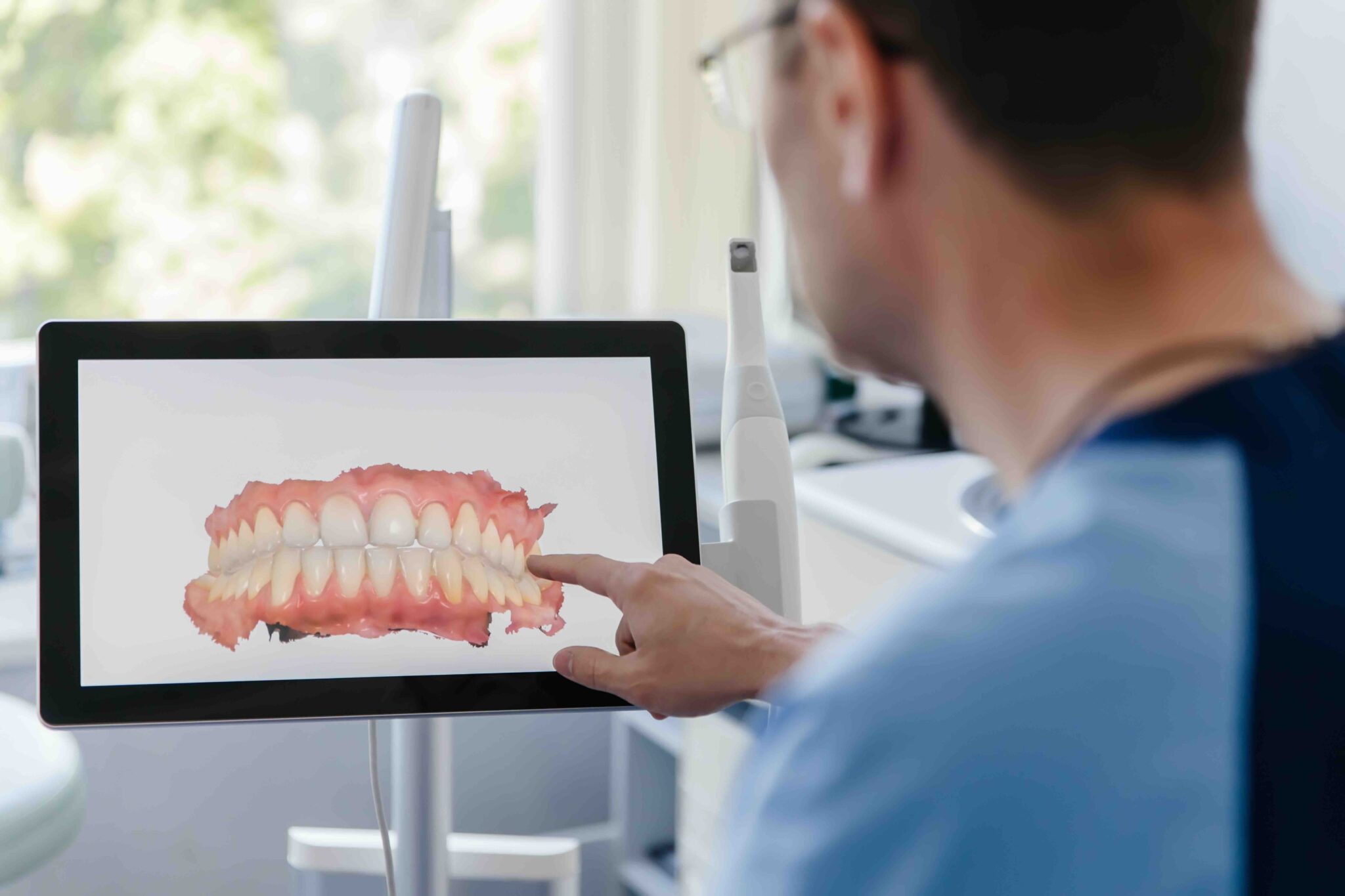
At the first visit, the dentist examines the tooth, removes decay or old filling material if needed, and shapes the tooth so the crown can fit securely. Impressions or digital scans are then taken. A temporary crown is placed while the final restoration is fabricated. At the second visit, the temporary is removed, the fit and bite are checked, and the final crown is bonded or cemented into place.
From the patient’s perspective, the temporary phase can tell you a lot. If the temporary feels too high when you bite, call the office. If the tooth becomes very temperature-sensitive, that should also be discussed. Small issues are often easy to correct quickly, and they can prevent bigger frustrations later.
Same-day crowns can be convenient, but convenience should not be the only deciding factor. Some teeth, particularly those in the smile zone or those with complex bite demands, benefit from a custom lab-made crown and more detailed layering. Other teeth, especially certain molars, may do very well with an efficient same-day workflow. Again, the quality of planning matters more than the marketing language.
How crowns restore more than appearance
The visible transformation gets most of the attention, but the practical benefits are often more meaningful over time.
A patient with a heavily broken molar may chew on one side for months without realizing how much compensation they are doing. Once the tooth is restored properly, chewing becomes more balanced, jaw fatigue may decrease, and food stops packing into the damaged area. Another patient may have a front tooth darkened after trauma. A crown can improve the smile, yes, but it can also remove the self-consciousness that changes how someone speaks, laughs, or appears in photographs.
I have seen patients who spent years adapting to a failing tooth because the problem developed slowly. They cut food into smaller pieces, avoided cold drinks, or learned not to bite down fully. A successful crown often restores function so gradually that they only notice later how much easier normal eating feels.
That said, crowns are not indestructible. They restore teeth, but they do not make them invincible. If someone clenches hard at night, ignores a changing bite, or uses their teeth to open packaging, a crown can chip, loosen, or contribute to other problems in the mouth. Restoring a tooth is one part of the solution. Protecting the restoration is the rest.
Cost, value, and the Los Angeles factor
Dental fees vary substantially in large metropolitan areas, and Los Angeles is no exception. The price of a crown can differ based on the material used, the location of the tooth, whether a buildup or core is needed, whether root canal treatment is involved, and whether the office uses an outside lab or same-day technology. Insurance may help, but coverage limits and waiting periods often influence timing.
Patients sometimes compare crown fees online and assume a lower number means better value. In reality, the long-term cost of a crown includes more than the day it is seated. Margins have to fit well. Bite adjustments have to be precise. The contours have to be cleansable so gums stay healthy. A crown that feels “done” but traps plaque or carries a high bite can create new problems that cost more to fix later.
This does not mean the most expensive option is automatically best. It does mean patients should ask informed questions. What material is being recommended, and why? Is the tooth being crowned because there is no better conservative option, or because it is simply the office’s routine? Will the final crown be made by a lab, and if so, what level of esthetic customization is expected? Those answers often tell you more than the fee alone.
For patients looking up Dental Crowns Los Angeles CA, it also helps to understand that city dentistry spans a wide range, from high-volume insurance practices to boutique cosmetic offices. Neither model is inherently right or wrong. What matters is whether the recommendation is thoughtful, the diagnosis is sound, and the final restoration fits the tooth and the person.
When a crown is not the best answer
Crowns are versatile, but there are clear limits. A tooth with decay extending too far below the gumline may not have enough healthy structure to hold a crown predictably. A tooth with severe mobility from advanced periodontal disease may not be worth restoring until the gum condition is stabilized, if it can be stabilized at all. A vertical root fracture usually means the tooth cannot be saved with a crown.
Sometimes a more conservative restoration is the smarter move. Onlays can preserve more natural tooth structure in selected back teeth. Veneers can be appropriate for cosmetic improvement when the underlying tooth Dental Crowns Los Angeles CA is relatively intact. Direct bonding can repair small chips and minor defects with less reduction than a crown.
There is also the issue of timing. If a patient has a bite that is changing rapidly, untreated grinding, or a habit of breaking restorations, placing a crown without addressing those factors can lead to disappointment. In those cases, a night guard, bite analysis, or a phased treatment plan may be part of doing the job properly.
A crown is a powerful tool, but it is still only one tool. Good dentistry is rarely about forcing every problem into the same category.
The temporary crown phase, and why patients should take it seriously
Temporary crowns have a reputation for being something to “just get through,” but they serve an important purpose. They protect the prepared tooth, maintain spacing, and let the patient test the general shape and function before the final crown arrives.
If the temporary comes off, do not wait a week because it “doesn’t hurt yet.” Teeth can shift more quickly than people expect, especially after preparation. A small movement can make the final crown harder to seat. A lost temporary also exposes the tooth to sensitivity and contamination. Offices deal with this issue all the time, and prompt recementation is usually straightforward.
The temporary period is also when speech changes, pressure points, or bite discrepancies first show up. Sharing that feedback helps the dentist refine the final result. Patients sometimes hesitate because they do not want to seem demanding. In reality, useful feedback during the temporary phase can improve the final crown significantly.
How long crowns last in real life
Patients naturally ask how many years a crown should last. The honest answer is that longevity varies. Many crowns perform well for a decade or longer, and some last much longer than that. Others fail earlier due to decay around the margins, heavy bite forces, poor oral hygiene, gum disease, or fractures in the tooth underneath.
The crown itself is only part of the picture. The health of the tooth supporting it matters just as much. If plaque consistently accumulates at the gumline, recurrent decay can form where the crown meets the tooth. If the patient grinds heavily and wears through enamel elsewhere, the crowned tooth is living in the same high-stress environment.
Crowns generally last longer when patients do a few simple things consistently:
- Brush carefully at the gumline and floss around the crown every day
- Keep routine dental visits so bite changes and margin issues are caught early
- Wear a night guard if clenching or grinding is a problem
- Avoid biting very hard objects such as ice, pens, or nutshells
- Address gum inflammation early rather than waiting for discomfort
That may sound basic, but basic habits are often what determine whether a restoration lasts seven years or seventeen.
Choosing the right dentist for crown treatment
Most patients are not trying to become experts in restorative dentistry. They just want confidence that the recommendation makes sense. That is reasonable. If you are considering Dental Crowns Los Angeles CA, focus less on polished advertising and more on how clearly the office explains the diagnosis.
A solid consultation should answer a few practical questions. Why is a crown needed instead of a filling, veneer, or onlay? What condition is the tooth in now, and what risks exist if treatment is delayed? What material is being used, and how will it affect appearance and durability? If the tooth has a questionable prognosis, is the office honest about that, or are they talking as if every outcome is guaranteed?
Experience shows up in small details. A dentist who evaluates the bite carefully, explains where the fracture line is, and discusses how a night guard relates to the treatment plan is usually thinking beyond the day of delivery. That kind of planning tends to produce better results than a rushed approach, even when the restoration itself looks fine at first glance.
Restoring the tooth, protecting the future
A crown is often the point where a struggling tooth gets a second chance. It can reinforce a structure that would otherwise keep breaking down. It can let a patient chew normally again. It can restore a smile that has become guarded or uneven. In many cases, it does all three at once.
Still, the best crown cases are not just about replacing what is missing. They are about understanding why the tooth failed in the first place. Was it decay, a massive old filling, trauma, grinding, or delayed treatment? Fixing the visible damage without addressing the cause is how restorations become temporary solutions to permanent problems.
For patients weighing Dental Crowns Los Angeles CA, the most useful mindset is practical rather than fearful. A crown is neither a minor cosmetic accessory nor a sign that everything is going wrong. It is a precise restorative treatment with a clear purpose: to help a compromised tooth function like a strong, stable part of your mouth again. When chosen thoughtfully and maintained well, it can do that job for many years.
Simple Dental Vermont
Address: 8914 S Vermont Ave, Los Angeles, CA 90044
Phone number: +13239493000
FAQ About Dental Crowns Los Angeles CA
How much do crowns cost per tooth?
In the United States, a single dental crown typically costs between $800 and $2,500 per tooth without insurance. The ultimate out-of-pocket price depends heavily on the crown material, the location of the tooth, and whether you have dental insurance coverage.
What is the downside of crowns on teeth?
The primary downside of a dental crown is that the procedure permanently removes natural tooth enamel to shape the tooth for the cap.
Why do dentists push for crowns?
Dentists recommend crowns because a large filling cannot provide enough strength when a tooth loses a major portion of its structure or faces heavy chewing pressure.